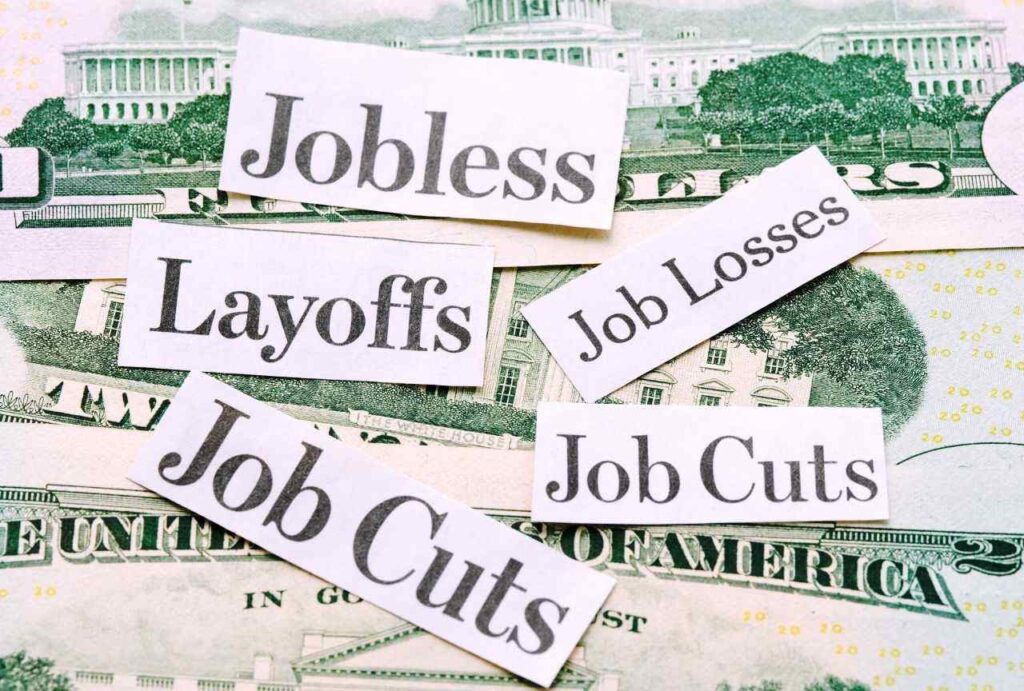
When layoffs make headlines, the focus almost always lands on tech. Software engineers, startups, and big platforms dominate the conversation. That narrow focus creates a dangerous assumption: that instability is limited to a single industry, while other careers remain protected by scale, regulation, or long-standing demand.
The data tells a different story.
Across multiple sectors long viewed as dependable, layoffs have quietly accelerated. These are not fringe roles or speculative jobs. They are career paths many people choose specifically for security, longevity, and predictability. Yet recent layoff data reveals a growing gap between perception and reality, driven by automation, consolidation, funding shifts, and structural changes that affect how work is staffed, not whether demand exists.
This article examines 10 career paths that appear stable on the surface but show consistent layoff activity when the data is reviewed closely.
10 Careers Long Seen as Secure That Are Now Showing Layoff Pressure
1. Aerospace
Aerospace has long been regarded as one of the most stable engineering career paths. Major firms operate on long multi-year contracts with governments and commercial airlines, and demand for aircraft and defense systems often stays consistent through economic cycles. Because aerospace is highly regulated and technologically complex, many assume jobs in this sector are insulated from workforce reductions.
However, layoff data from the past two years tells a different story. Even major companies have announced workforce cuts as they adjust to changing demand, supply chain disruptions, shifting defense budgets, and efforts to reduce costs. According to industry layoff tracking, aerospace and defense companies reported significant employment reductions, with thousands of jobs affected as aircraft manufacturers and suppliers recalibrated their operations in 2025 and 2026.
Significant aerospace layoffs in 2025–2026
- Airbus: Announced cutting approximately 2,000 global jobs (around 5% of its workforce) as part of cost-reduction efforts through early 2026.
- Blue Origin: Laid off about 1,400 employees (10% of workforce) amid funding and development challenges in 2025.
- Boeing: Announced 17,000 job cuts in late 2025. In early 2026, the company notified employees of 10% layoffs in the defense supply chain work group. Additionally, about 400 roles are being cut from the space launch system (moon rocket) program.
- Collins Aerospace: Filed WARN notices in 2025 affecting over 1,600 employees across multiple states as part of restructuring.
- Boeing broader cuts: Various notices from late 2024 into 2025 pointed to workforce reductions totaling thousands of positions globally.
These job cuts reflect broader cost pressures and program shifts in aerospace, challenging the perception that the sector is uniformly stable.

Also Read: How To Overcome the Fear of Getting Fired From Work
2. Telecom & Network Engineering
Telecom and network engineering roles are widely seen as critical infrastructure jobs, tied to essential services like cellular communication, internet backbones, and enterprise networks. The rollout of 5G and ongoing network upgrades have reinforced the idea that telecom careers are secure, given the constant need for connectivity.
Yet recent data shows substantial workforce changes across major telecom companies. As carriers streamline operations, invest in automation, and integrate software-defined systems, traditional network engineering roles have been affected. Telecom firms have announced layoffs and restructuring efforts even while investing in next-generation technologies, signaling that stability in this field is not guaranteed.
Major telecom & network engineering layoffs
- Telefonica: Plans to reduce its workforce by up to 6,000 jobs by the end of 2025 in a major telecom restructuring.
- Verizon: The telecom giant announced a large-scale organizational overhaul that resulted in the elimination of over 13,000 jobs, representing approximately 13–15% of its workforce, as the company moved to simplify operations under new executive leadership.
- Industry tracking reports show telecommunications faced nearly 23,000 job cuts in 2025, one of the larger non-tech segments impacted.
- Ericsson (reported worker observations): Anecdotal reports indicate silent layoffs and team eliminations throughout 2025–2026 tied to network modernization.
- Some traditional network hardware roles are shrinking as cloud and software-based networking increase.
- Ongoing consolidation and cost-cutting across carriers globally impacting network support and engineering teams.
These developments show that even sectors critical to connectivity are adjusting staffing levels in ways that affect roles once considered recession-proof.
3. Media & Entertainment Production
For decades, careers in media and entertainment production including film, television, news, and digital content were seen as culturally influential and financially resilient. Content consumption appeared to grow without bounds, and creative roles in production seemed safe as long as audiences remained engaged.
Reality has shifted. Consolidation among studios and publishers, economic pressures, and technological change have led to a notable rise in layoffs across media and entertainment. According to recent industry tracking, job cuts in this sector increased in 2025 compared with the previous year, with layoffs spanning broadcast, news, streaming, publishing, and production support roles.
Key media & entertainment layoffs
- Over 17,000 media and entertainment jobs were cut in 2025, an 18% increase from 2024.
- Dotdash Meredith (People Inc.): Multiple rounds of layoffs, totaling over 300 positions, as part of restructure.
- CNN: Eliminated about 200 jobs early in 2025 during operational reorganization.
- Washington Post: Reduced about 100 employees primarily in advertising, marketing, and IT.
- Other major outlets and production entities reported cuts tied to consolidation and cost targets in 2025.
These data points illustrate that media production roles are not immune from fundamental industry shifts, placing many jobs at risk despite ongoing content demand.

Also Read: How Do You Plan To Survive The Layoff – Practical Tips
4. Automotive Engineering
Automotive engineering has historically been seen as a stable career because it combines large manufacturing scale, durable goods demand, and advanced technical work that often requires specialized skills. Engineers in this field are usually well paid, work on multi-year product cycles, and contribute to vehicles that remain in public use for over a decade.
However, the automotive industry’s shift toward electric vehicles (EVs), fluctuating demand, tariff impacts, and broader economic pressure have generated layoffs even among technically focused roles. According to layoff data, automotive has remained among the sectors reporting significant cuts in 2025, reflecting production slowdowns and strategic restructuring rather than short-term setbacks.
Major automotive layoffs in 2025–2026
- General Motors (Factory Zero shifts): Reduced to a single shift, eliminating about 1,200 jobs in early 2026 with additional layoffs tied to battery operations.
- GM Ultium battery ventures: Around 2,100 positions at Warren, Ohio, and Spring Hill, Tennessee placed on temporary or indefinite layoff status.
- Ford REV-C plant layoffs: In 2025, Ford eliminated approximately 1,400 jobs at the Rouge Electric Vehicle Center.
- Nissan: The automaker disclosed plans to cut 20,000 jobs worldwide, a restructuring that includes the planned closure of its Nissan Design America studio in San Diego by March 2026.
- Automotive sector job cuts totaled 26,149 layoffs in 2025, according to industry reporting.
- Additional WARN notices (Jan 2026): GM was among top employers filing notices for cuts affecting at least hundreds of planned layoffs across roles including engineering and production.
These figures show that even core technical jobs in automotive are not immune from reductions tied to market shifts and cost redistribution strategies.
5. Federal Civil Service
Federal civil service is widely regarded as highly stable because government jobs typically offer job protection, structured pay scales, comprehensive benefits, and pension plans. These roles are perceived as insulated from private-sector layoffs since they are funded through public budgets and statutory authority. Yet recent layoff data illustrates that federal employment has experienced significant workforce reductions in 2025.
Government job cuts have far outpaced most private-sector layoffs, driven by legislative changes, agency reorganizations, budget limits, and strategic workforce planning. According to labor market trackers, federal layoffs were the largest source of cuts in 2025, significantly affecting departments across multiple agencies.
Key federal civil service layoffs in 2025–2026
- Department of Agriculture: Over 21,000 federal jobs cut as part of broad workforce reductions.
- Department of Defense: Approximately 55,000 positions eliminated across defense agencies.
- Internal Revenue Service (IRS): Around 30,000 layoffs in 2025 tied to restructuring and budget shifts.
- Health and Human Services (HHS): Roughly 13,450 job cuts affecting administrative and operational roles.
- NASA workforce adjustments: Nearly 4,890 positions reduced under federal mass layoff actions.
Government layoffs reshaped assumptions about civil service security, showing that public sector jobs can also face extensive workforce reductions tied to funding and organizational strategy.

6. Pharma and Biotech
Pharma and biotech careers are often regarded as stable because they serve fundamental health needs, involve highly specialized scientific work, and operate within industries supported by regulatory protections and long development cycles. However, recent layoff tracking shows that the sector has faced notable workforce reductions in 2025, as drugmakers and research firms adjust pipelines, consolidate operations, and respond to tightening budgets. Biopharma layoffs have increased year-over-year, driven by clinical failures, funding constraints, strategic pivots, and reorganization efforts.
Notable pharma and biotech layoffs in 2025–2026
- Korro Bio: Laid off about 34% of its workforce after deprioritizing key programs.
- Metagenomi: Cut roughly 25% of employees, including senior roles, amid program refocusing.
- AbbVie project cuts: Approximately 100 roles eliminated following termination of an 11-year research agreement.
- Voyager Therapeutics: Eliminated around 30 jobs in late 2025.
- Overall layoffs across biopharma: Thousands of roles were lost industry-wide in the first half of 2025, with data showing at least 13,470 positions eliminated by more than 130 companies, a year-over-year increase.
These developments highlight that even sectors tied to essential services like health and medicine are subject to workforce reductions when strategic realignment or financial pressures arise.
7. Logistics & Supply Chain
Logistics and supply chain careers have traditionally been considered stable because they support essential physical goods movement, warehousing, and deliveries. Companies and governments alike depend on these operations to keep commerce flowing, and logistics professionals often enjoy strong demand during peak and slow economic periods. Recent labor data, however, shows that layoffs in warehousing and logistics jumped sharply in 2025 compared with 2024, driven by automation adoption, overcapacity, and broader cost-cutting across sectors. Logistics layoffs now rank among the most significant in private-sector workforce reductions.
Notable logistics & supply chain layoffs in 2025–2026
- UPS announced plans to cut around 20,000 jobs in 2025 as part of a network restructuring and facility closures.
- DHL reduced about 8,000 roles in early 2025 amid cost-saving efforts.
- USPS reportedly cut about 10,000 positions in 2025 tied to operational restructuring.
- FedEx Supply Chain to close North Texas facility, affecting ~856 workers in 2026.
- I Squared Logistics laid off ~160 workers in early 2026 after exiting certain service programs.
These figures demonstrate that even sectors tied to fundamental commerce infrastructure are adjusting workforces under financial and technological pressures.

8. Sales & Marketing
Sales and marketing have long been viewed as essential revenue drivers, roles that companies cut only as a last resort during downturns. This perception has helped position these careers as stable even in uncertain markets. But evolving business models and technology adoption, especially automation and digital tools, are reshaping how organizations structure sales and marketing teams. Recent layoffs in major companies show that these functions are not immune from workforce reductions, with some cuts directly affecting sales roles alongside broader strategic reorganizations.
Significant sales & marketing layoffs in 2025–2026
- Autodesk cut around 1,000 jobs globally, mainly in customer-facing sales roles, as part of a sales and marketing restructuring in early 2026.
- Earlier Autodesk layoffs of ~1,350 sales/marketing positions occurred in 2025 during go-to-market changes.
- Microsoft laid off approximately 9,000 workers in 2025, including cuts across sales divisions tied to strategic adjustments.
- Market data from broader layoff tracking shows sustained workforce reductions across corporate functions that include sales and marketing departments as part of organizational cost cuts.
- Reports highlight layoffs in customer support and sales roles at large tech and corporate employers as automation reduces headcount needs.
These job cuts indicate that companies are increasingly willing to streamline roles once considered core revenue supporters.
9. Animal Health
Careers in animal health including veterinary science, pet pharmaceuticals, and animal product services, are often seen as resilient because pet ownership and livestock care are ongoing needs. However, layoffs in this sector have shown that even fields linked to health and wellbeing can face workforce volatility, especially when tied to broader corporate or manufacturing decisions. Facility closures, consolidation of operations, and shifts in production priorities have triggered layoffs affecting animal health facilities and adjacent industries.
Notable animal health layoffs in 2025
- Primal Pet Foods closed three facilities, resulting in about 145 layoffs in 2025.
- While broader labor data does not always separate animal health from wider consumer goods or logistics layoffs, facility closures in the pet food manufacturing segment reflect workforce reductions in parts of the animal health value chain.
- Chewy cut 674 jobs in 2025 at a fulfillment center, affecting roles tied to pet products distribution.
- Elanco Animal Health: Under its Elanco Ascend restructuring program, the company confirmed plans to eliminate around 300 roles as part of a cost-reduction effort targeting up to $60 million in savings by 2027. The initiative also includes the shutdown of a facility in Germany and the relocation of an additional 300 positions.
- USDA Animal Health Laboratories: Workforce reductions were reported across facilities within the National Animal Health Laboratory Network, with staffing levels cut by roughly 25% as federal agencies moved to contain operating costs amid budget pressure.
- FDA Center for Veterinary Medicine: As part of a broader HHS restructuring, more than 140 employees, including veterinarians and senior leadership staff, were laid off, marking one of the largest recent reductions within the agency.
- PwC: During its 2025 fiscal year, PwC reduced its global headcount by approximately 5,600 employees, reflecting sustained cost controls and changes in demand across consulting, audit, and advisory services.
- Tyson Foods announced 1,761 layoffs affecting processing and support workers, including roles tied to some animal products supply chains.
- Industry patterns show broader layoffs in warehousing/logistics that intersect with animal health distribution roles.
This data highlights that animal health careers can face reduction pressures when corporate shifts and efficiency drives coincide with broader labor market trends.
10. Accounting
Accounting is widely considered a stable profession because businesses and governments require financial recordkeeping, compliance, tax planning, and audit services regardless of economic conditions. Historically, accounting roles were seen as recession-resistant because demand for financial oversight persists through downturns and recoveries alike. Yet recent layoff trends in accounting firms and professional services show that this field is not immune to workforce reductions, especially among large firms facing strategic realignment, changing client demand, and automation of routine tasks.
Key accounting layoffs in 2025–2026
- PwC laid off about 1,500 U.S. employees in mid-2025, including audit and tax roles, reflecting broader adjustments in professional services.
- Additional workforce reductions at major firms like KPMG and Deloitte continued through 2025 as firms rationalized operations.
- Reporting on accounting sector layoffs shows continued slowdowns and headcount adjustments in audit and compliance teams throughout 2025, tied to market conditions and automated processes replacing manual tasks.
- Some mid-tier firms consolidated or merged operations, effectively reducing traditional accounting staff roles in the U.S. in 2025.
- Broader corporate cutbacks affected finance and shared services departments in late 2025 and into early 2026, indirectly impacting accounting roles.
Even established roles in accounting and audit are adapting to shifts in client demand, technology adoption, and broader economic pressures, all of which influence staffing decisions.
Layoffs are often framed as a tech-only problem, but the data shows a broader shift. Across aerospace, telecom, government, healthcare, logistics, and professional services, workforce reductions are no longer isolated events. They are appearing across industries once associated with long-term security, steady demand, and institutional protection.
What stands out is not just the scale of these cuts, but their timing. Many are occurring before a formal recession has been declared, alongside continued reductions in sectors already under pressure, such as technology. That combination raises important questions about how companies and public institutions are preparing for the next economic phase.