Interest in brain health has never been higher. People are searching for practical ways to improve focus, strengthen memory, reduce mental fatigue, and stay mentally sharp without relying on medication. Among the many approaches gaining attention, one topic continues to spark curiosity: the brain song.
Unlike ordinary music, a brain song is often described as specially designed audio that uses specific sound frequencies and rhythmic patterns to influence brain activity. Supporters believe it may help the brain enter states linked to concentration, relaxation, learning, or mental clarity. At the same time, critics question whether these claims are supported by scientific evidence or driven primarily by marketing.
In this comprehensive guide, you’ll learn what a brain song is, how it is claimed to work, the science behind brainwave entrainment, its potential benefits and limitations, and whether products based on this concept are worth considering.
I. What Is The Brain Song?
The Brain Song is a digital audio program built around the concept of brainwave entrainment, a technique that uses carefully selected sound frequencies and rhythmic audio patterns to encourage the brain to synchronize with specific brainwave states. Unlike traditional music that is created primarily for entertainment, Brain Song is designed with the goal of supporting mental performance, including focus, memory, concentration, and overall cognitive function.
The idea behind a brain song comes from decades of research into how the brain responds to sound. Your brain naturally produces electrical activity that changes throughout the day depending on what you’re doing. Different brainwave frequencies are associated with different mental states, such as deep sleep, relaxation, alertness, creative thinking, and sustained attention. Brainwave entrainment aims to gently guide the brain toward these desired states through repeated auditory stimulation.
The Brain Song specifically promotes the use of audio frequencies that are claimed to encourage gamma brainwave activity. Gamma waves have attracted significant attention in neuroscience because they are linked to higher-level cognitive processes, including learning, information processing, attention, and memory formation. While research into gamma brainwaves continues to grow, scientists are still investigating how external sound stimulation may influence these brainwave patterns and whether the effects translate into meaningful cognitive improvements in everyday life.
II. Who Is Brain Song Designed For?
Brain Song is marketed toward people who want to support their cognitive performance naturally and are looking for a convenient addition to their daily routine. Although individual goals vary, the program is generally intended for adults who want to improve focus, stay mentally sharp, and reduce the effects of everyday mental fatigue.
People who may find Brain Song appealing include:
- Students and lifelong learners who want to improve concentration during study sessions, retain information more effectively, and maintain attention while learning new skills.
- Busy professionals who spend long hours working on demanding tasks and are looking for ways to stay focused, organized, and mentally productive throughout the day.
- People experiencing occasional brain fog who want additional support for mental clarity, especially during periods of high workload, stress, or lack of focus.
- Older adults interested in cognitive wellness who want to maintain mental sharpness as part of a healthy aging strategy alongside established lifestyle habits.
- Remote workers and entrepreneurs who need sustained concentration while managing multiple responsibilities and minimizing distractions.
- Anyone interested in brainwave entrainment who wants to explore audio-based wellness tools without using supplements or prescription medications.
III. How Does Brain Song Claim to Work?
The Brain Song is based on the idea that carefully designed audio can influence the brain’s natural electrical activity. According to its creators, listening to the program regularly encourages the brain to enter mental states associated with improved focus, learning, and memory. The concept combines principles from neuroscience with brainwave entrainment, an area that has attracted scientific interest for many years.
Brain Song relies on several key ideas to explain how it is intended to support cognitive function:
1. Gamma Brainwaves and Cognitive Performance
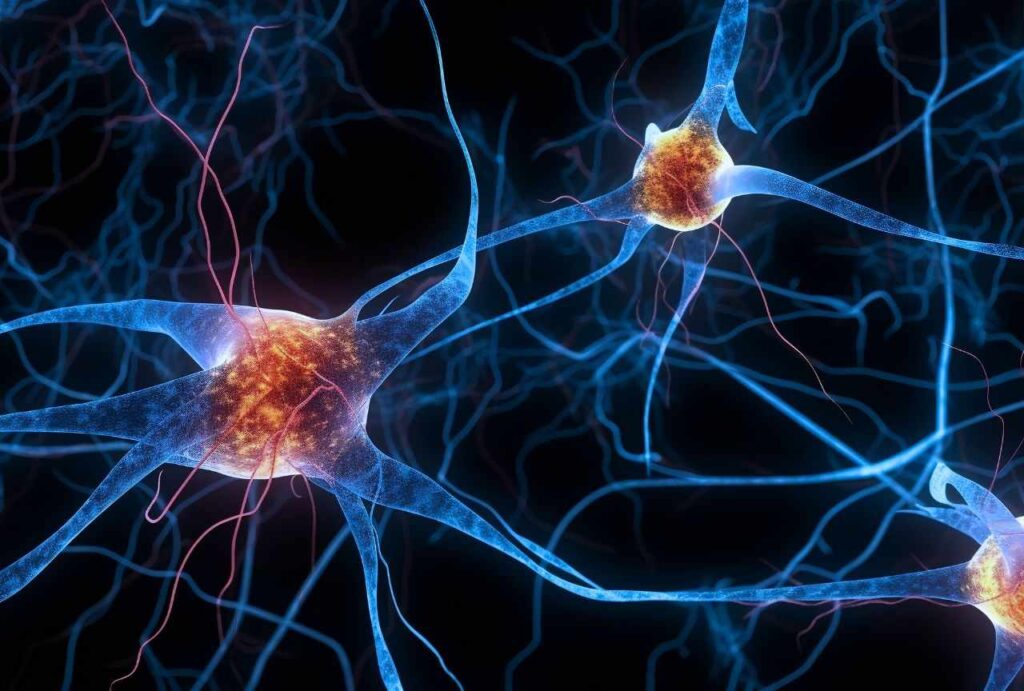
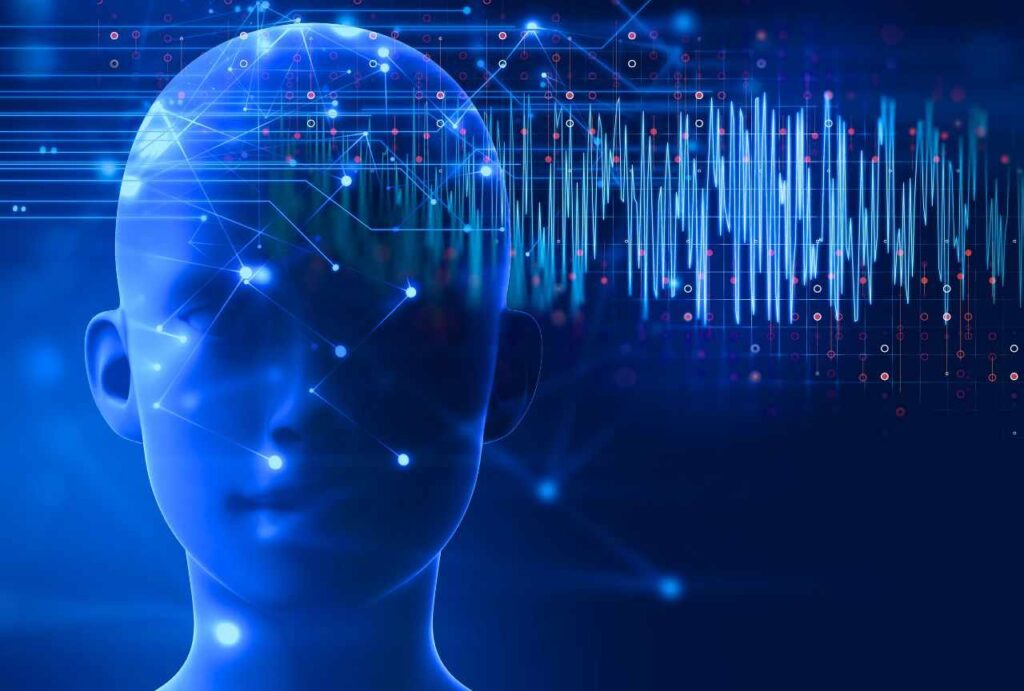
The human brain produces tiny electrical signals that can be measured as brainwaves. These brainwaves change depending on your level of alertness, concentration, and mental activity. Scientists generally classify brainwaves into several categories, including delta, theta, alpha, beta, and gamma, with each type being linked to different mental states.
Brain Song focuses primarily on gamma brainwaves, which have frequencies of approximately 30 to 100 hertz. Researchers have shown that gamma activity plays an important role in several higher-level cognitive functions, including:
- Attention and sustained focus
- Memory formation and information recall
- Learning and problem-solving
- Processing information from different areas of the brain
- Mental alertness during demanding tasks
Studies have found that healthy gamma brainwave activity often increases when people perform activities requiring concentration or complex thinking. Because of this connection, many brain health products aim to encourage gamma activity as a way to support cognitive performance.
2. Brainwave Entrainment
One of the central concepts behind Brain Song is brainwave entrainment. This refers to the brain’s tendency to respond to repetitive sensory stimulation, including rhythmic sounds.
When the brain is exposed to certain audio frequencies over a period of time, some researchers believe it may begin to synchronize portions of its electrical activity with those external rhythms. This response is often called the frequency-following response and has been investigated in neuroscience and auditory research for several decades.
Brainwave entrainment can involve different types of sound technologies, such as:
- Binaural beats
- Isochronic tones
- Monaural beats
- Rhythmic sound pulses
- Layered audio frequencies
The exact technology used by Brain Song is part of its proprietary design, but the overall goal is to encourage brainwave patterns associated with alertness, attention, and cognitive performance.
Research on brainwave entrainment has produced mixed results. Some studies suggest certain forms of auditory stimulation may temporarily influence attention, relaxation, or aspects of cognitive performance in some individuals. Other studies report smaller effects or inconsistent findings. Because of these differences, brainwave entrainment remains an active area of scientific investigation rather than a fully established method for improving memory or intelligence.
3. Brain-Derived Neurotrophic Factor (BDNF)
Another scientific concept frequently associated with Brain Song is Brain-Derived Neurotrophic Factor (BDNF).
BDNF is a naturally occurring protein that plays a critical role in brain health. It supports the growth, maintenance, and survival of nerve cells while contributing to the brain’s ability to adapt and form new neural connections. This process, known as neuroplasticity, allows the brain to learn new information, strengthen existing connections, and adjust to new experiences throughout life.
Healthy BDNF levels have been linked to several important aspects of cognitive function, including:
- Learning efficiency
- Memory formation
- Long-term brain health
- Adaptability of neural networks
- Recovery of normal brain function after certain types of stress
Because BDNF is closely connected to learning and memory, many cognitive wellness products reference it when explaining how they claim to support brain performance.
IV. What We Like About Brain Song
While Brain Song should not be viewed as a guaranteed solution for improving cognitive performance, there are several aspects of the program that make it appealing to people looking for a simple brain wellness tool.
- Simple and Easy to Use – Brain Song requires only a short daily listening session, making it easy to fit into most schedules without changing your normal routine.
- Non-Invasive Approach – Unlike supplements or medications, Brain Song relies on audio-based brainwave stimulation, making it an option for people who prefer a drug-free way to support focus and mental clarity.
- Built Around Real Neuroscience Concepts – The program is based on established topics such as gamma brainwaves, brainwave entrainment, and neuroplasticity. Although the product itself has limited clinical evidence, the underlying concepts continue to be studied by researchers.
- Digital Access for Immediate Use – Because Brain Song is delivered digitally, users can start listening shortly after purchase without waiting for shipping or purchasing additional equipment.
- Supports a Healthy Brain Wellness Routine – Brain Song can be used alongside healthy habits such as quality sleep, regular exercise, balanced nutrition, and mental stimulation rather than replacing them.
- Low-Risk Opportunity to Try – The availability of a money-back guarantee allows eligible customers to evaluate the program with less financial risk if it does not meet their expectations. Always review the current refund policy before purchasing.
- Suitable for a Wide Range of Adults – Whether you’re a student, professional, entrepreneur, or older adult interested in maintaining mental sharpness, Brain Song is designed to fit different lifestyles and cognitive wellness goals.
Overall, Brain Song offers a convenient and accessible way to explore brainwave audio technology. While realistic expectations are important, its ease of use and science-inspired approach are among the reasons it continues to attract interest.
V. Is Brain Song a Scam?
One of the most common questions people ask before purchasing is, “Is Brain Song a scam?” Based on the available information, the answer is not necessarily.
Brain Song is a legitimate digital product that customers receive after purchase, so it is not a fake offer or a product that fails to deliver what was purchased. However, that does not automatically mean every advertised benefit has been scientifically proven. Some of the claims are based on real neuroscience concepts, including gamma brainwaves and brainwave entrainment, but the science behind brainwave activity is an active area of research, research on a scientific concept is different from research on a specific product.
For that reason, Brain Song should be viewed as a brain wellness tool for improving memory, focus, or mental performance. If you decide to try it, purchasing through the official website also provides access to the company’s current refund policy, offering additional peace of mind.
VI. Realistic Expectations
Having realistic expectations is the best way to decide whether Brain Song is worth trying.
Brain Song may appeal to people who enjoy audio-based wellness tools and want to support their cognitive health as part of a balanced lifestyle. Some users notice improvements in focus or mental clarity, while others may experience little or no noticeable difference. Individual results can vary due to factors such as age, overall health, daily habits, stress levels, and consistency of use.
It is also important to understand what Brain Song is not designed to do. It should not be expected to:
- Instantly improve memory or concentration.
- Increase intelligence or IQ.
- Replace healthy sleep, exercise, or proper nutrition.
- Treat memory disorders or neurological conditions.
- Produce identical results for every user.
The strongest scientific support for long-term brain health still comes from maintaining healthy lifestyle habits. Brain Song may serve as an additional wellness tool, but it works best when paired with proven practices that support cognitive function.